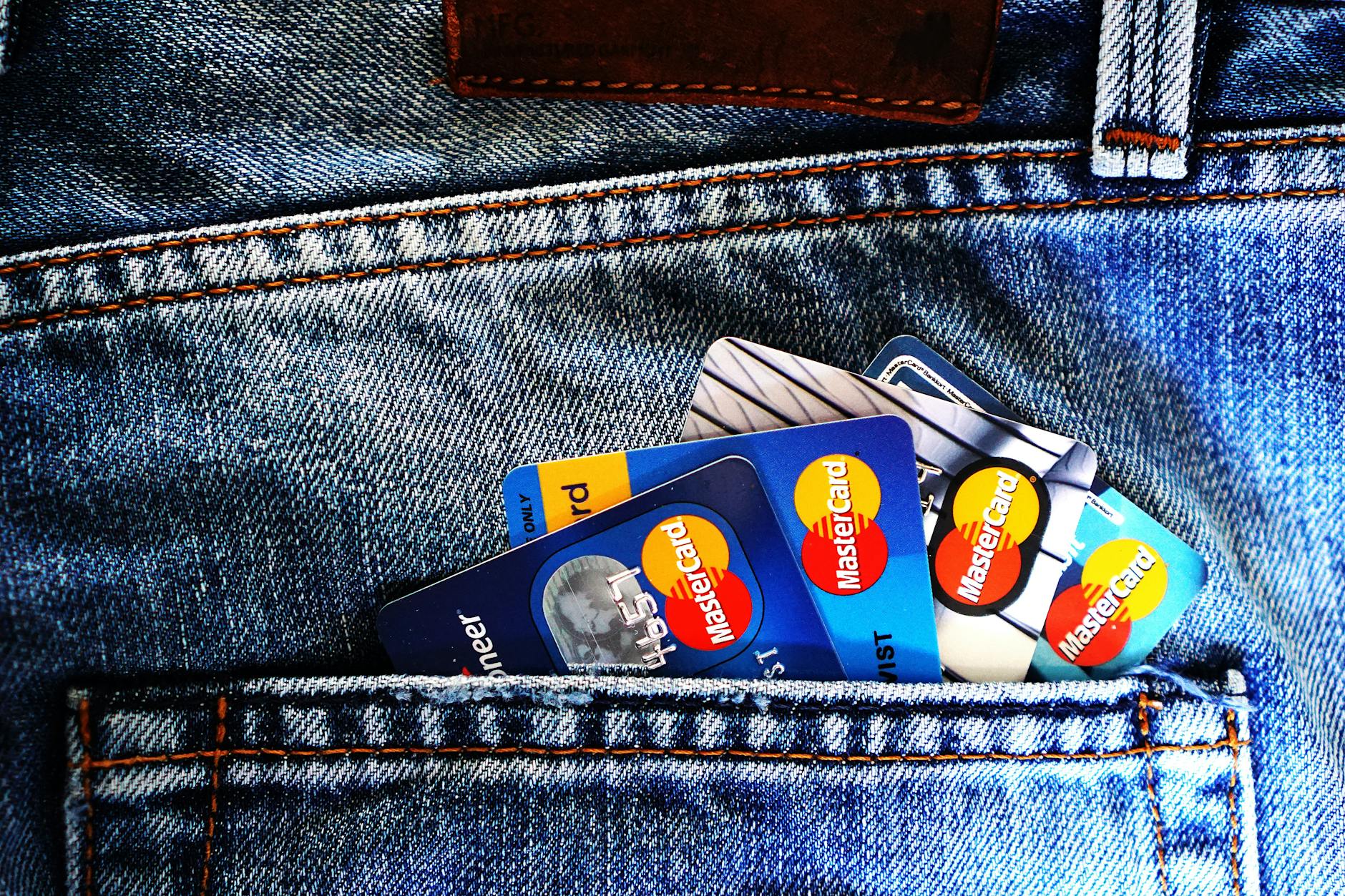
Credit cards can influence creditworthiness both positively and negatively – the number, usage, and above all, punctual payment are decisive. A long-held card without payment defaults can signal trust; too many new accounts or irregular usage, on the other hand, can worsen the risk assessment. Those who use cards consciously and stably usually have better long-term conditions than someone with many short-term new contracts.
KEY TAKEAWAYS
A credit card is not automatically good or bad for the credit score – usage behavior is decisive. – Long-held cards without payment defaults can stably support creditworthiness. – Many newly opened cards or frequent changes can worsen the risk assessment. – Punctuality of payment is more important than the mere number of cards. – Canceling old cards can shorten the history – therefore weigh carefully. – In the context of car insurance, the same principle applies: a cleaned data situation improves the starting position.
Important: The card itself is not the problem, but how it is handled. At BoniHelden, we regularly see that calm, long-term usage behavior is often more helpful than short-term card changes or unnecessary new applications.
HOW CREDIT CARDS ARE EVALUATED
Credit agencies store credit-related contract data, including information on credit card accounts and their opening or termination. A long-standing card without negative entries can be a positive stability feature. At the same time, frequent new contracts, cancellations, or payment defaults can worsen the risk assessment.
Important to note: Not every card has the same effect. The overall picture of history, contract duration, payment behavior, and the question of whether a real credit line exists or only a debit or prepaid solution is used is decisive. Credit agencies therefore do not just evaluate the number of cards, but the financial reliability behind them.
CREDIT CARD, DEBIT CARD, OR PREPAID
| Card Type | Typical Effect on Creditworthiness | Special Feature |
|---|---|---|
| Credit Card | Can send positive or negative signals | Credit limit, term, payment discipline relevant |
| Debit Card | Usually no classic credit feature | Deduction directly from the checking account |
| Prepaid Card | Usually no credit risk | Use only on a credit basis |
A debit or prepaid card is not automatically "credit-neutral" in every individual case, but it typically does not trigger a classic credit risk like a card with a real credit line. For the score, it is therefore primarily relevant whether actual credit is granted and how reliably it is serviced.
HOW MANY KARTEN ARE SENSIBLE?
There is no fixed upper limit. What is relevant is whether the cards are actually needed and whether their overall picture fits the income and payment discipline. Many accounts opened in the short term can worsen the risk assessment; long-held, sensibly used cards, on the other hand, are often uncritical.
The cancellation policy is also important: Cards that are hardly used can theoretically bloat the risk profile unnecessarily. At the same time, canceling the oldest card can shorten the history and thus remove a positive stability factor. Therefore, cancellations should not be automatic, but only after careful consideration.
WHAT YOU SHOULD CONSIDER WHEN HANDLING CREDIT CARDS
Pay on time: Payment defaults are the strongest negative signal. – Less is often more: Only keep cards that are actually used. – Make new applications sparingly: Frequent new contracts rarely have a positive effect. – Keep the credit limit realistic: A theoretically high limit is not automatically better. – Protect history: The oldest card can be a valuable stability anchor. – Check data: Incorrect entries or wrong status reports should be corrected.
TERMS EXPLAINED SIMPLY
Credit card – Card with a credit limit; payments are billed collectively. – Debit card – Card where amounts are deducted directly from the checking account. – Prepaid card – Card on a credit basis without a classic credit limit. – Credit limit – Amount that the card provider advances temporarily. – Payment default – Non-timely payment of a due claim. – History – The duration and stability of your previous contractual relationships.
STEP-BY-STEP PROCESS
- Check card inventory – Which cards do you really use, which ones don't you?
- Analyze payment behavior – Were there ever chargebacks or delays?
- Request a data copy – This is how you check which contract data is stored.
- Weigh unnecessary cards – Cancellation only after looking at the history.
- Avoid new applications if not necessary – Only apply if there is a clear need.
- Check creditworthiness regularly – Have incorrect or outdated data corrected.
TYPICAL MISTAKES WITH CREDIT CARDS
Opening several cards at the same time without real need. – Canceling old cards prematurely, even though they support your own history. – Ignoring payment deadlines or risking chargebacks. – Confusing the influence of debit and prepaid cards with classic credit cards. – Only looking at the credit limit instead of the actual usage behavior.
CHECKLIST FOR HEALTHY HANDLING
- Card inventory checked
- Payment behavior clean
- Unnecessary cards identified
- History considered for cancellations
- Data situation checked
- New applications only made when needed
- Incorrect entries corrected
FREQUENTLY ASKED QUESTIONS (FAQ)
Are many credit cards automatically bad for the score? No, but many new or unused cards can worsen the risk assessment. The overall picture is decisive.
Is a debit card better for creditworthiness? It usually does not trigger a classic credit risk, so it acts differently than a credit card with a credit limit. Whether it is "better" depends on the purpose.
Should I cancel my oldest card? Not automatically. The oldest card can be an important part of your history and signal stability.
Does a credit card improve my score? It can have a stabilizing effect if used long-term and punctually. There is no guarantee.
Is this advice? No. This article is a general orientation and does not replace legal, tax, financial, credit, or insurance advice. For an individual assessment of your situation, contact a correspondingly qualified professional.
This article serves as a general orientation. BoniHelden is not a financial service provider. For individual credit or insurance decisions, contact a licensed specialist advisor.